Restaurant Exterior Cleaning: Grease, Paths and Bins
The exterior of a restaurant is the first thing customers see, and it often shapes their decision to walk in before they have read a menu. For hospitality businesses in Ballina, NSW, exterior cleaning is also a matter of hygiene, safety and compliance. Grease build-up, stained paths and unpleasant bin areas can deter diners, attract pests and create slip hazards. This guide explains how to manage the three most demanding areas of restaurant exterior maintenance: grease, paths and bins.
Why Exterior Cleaning Matters for Ballina Restaurants
Ballina's location on the Northern Rivers coast brings a particular set of conditions. Warm, humid weather encourages mould, algae and bacteria, while salt-laden air from the coast and the Richmond River speeds up the build-up of grime on hard surfaces. Frequent summer storms and seasonal rain also push dirt and organic matter across outdoor dining areas and footpaths.
Beyond appearance, there are practical reasons to keep exteriors clean:
- First impressions: Stained paving, greasy walls and overflowing bins reduce the perceived quality of a venue, regardless of what happens in the kitchen.
- Food safety and pest control: Food residue and grease around bins and drains attract rodents, cockroaches, flies and birds.
- Safety: Slippery paths expose staff, delivery drivers and patrons to falls, which can lead to injury claims.
- Compliance: Local councils and NSW authorities expect food businesses to maintain clean premises and manage wastewater responsibly.
- Surface longevity: Regular cleaning prevents grease and organic growth from permanently staining or degrading concrete, pavers and tiles.
Dealing with Grease on Restaurant Exteriors
Where Grease Accumulates
Grease is the most persistent exterior problem for restaurants. It collects in several predictable locations:
- Beneath and around kitchen exhaust vents and rooftop extraction fans
- On walls and paving near rear kitchen doors
- Around grease trap access points and service lids
- On loading areas and back lanes where oil drums or used cooking oil bins are kept
- On drains and gutters that receive wash-down water from the kitchen
Cooking oil vapour settles on nearby surfaces and mixes with dust, salt and humidity to form a sticky film. Over time this hardens and darkens, becoming much harder to remove. Spilled oil from collection containers can soak into porous concrete and leave deep stains.
Effective Grease Removal Methods
Cold water pressure washing alone is rarely enough for grease. Effective cleaning generally combines several steps:
- Pre-treatment: Apply a suitable degreaser to the affected area and allow it to dwell for the recommended time so it can break down the oils.
- Hot water pressure cleaning: Hot water emulsifies grease far more effectively than cold water. Professional equipment can deliver heated, high-pressure water that lifts embedded residue from concrete and pavers.
- Surface agitation: Stiff brushes or surface cleaners help loosen stubborn patches and give a more even result across large areas.
- Wastewater capture: Collect and contain dirty water so grease and detergents do not enter the stormwater system.
- Final rinse and inspection: Rinse the area thoroughly and check for remaining stains that may need a second treatment.
Protecting the Stormwater System
Stormwater drains in Ballina flow to local waterways, including the Richmond River estuary and nearby coastal areas. Washing grease, oil or detergents into these drains can harm aquatic life and may breach environmental rules under NSW legislation. Only clean water should enter the stormwater system. Wash water from degreasing should be contained using drain covers, bunding or vacuum recovery and disposed of correctly, typically to the sewer through an approved point, in line with the requirements of the local water authority. Restaurant owners should confirm any specific requirements with Ballina Shire Council and Rous County Council or the relevant water provider before arranging commercial washing.
Keeping Paths and Outdoor Dining Areas Clean and Safe
Common Surface Problems
Footpaths, entrances and alfresco dining areas receive constant foot traffic and are exposed to the weather. Typical problems include:

- Chewing gum and food spills: These bond to concrete and pavers and become embedded over time.
- Mould and algae: Shaded and damp areas, common around Ballina's humid climate, develop green or black growth that is slippery when wet.
- Tannin stains: Leaves from overhanging trees leave brown marks on pale surfaces.
- Oil and grease drips: Particularly near service entrances and bin enclosures.
- Rust marks: Metal furniture and fixtures can leave stains, particularly in coastal air.
Slip Resistance and Duty of Care
Under NSW work health and safety laws, a business has a duty to manage risks to workers and other people at the workplace, and slippery surfaces are a recognised hazard. A clean path is generally safer than a neglected one, because algae and grease significantly reduce traction. Restaurants should inspect outdoor walkways regularly, particularly after rain, and clean them before they become hazardous. Where surfaces remain slippery after cleaning, anti-slip treatments or sealers designed for slip resistance can be considered.
Cleaning Frequency
The right schedule depends on foot traffic, tree cover and proximity to kitchen operations. As a general guide:
- Daily: Sweep entrances and dining areas, remove litter and spot-clean spills.
- Weekly: Hose down high-traffic areas and wash tables, chairs and entry mats.
- Quarterly: Pressure clean paths, rear service areas and walls, particularly in shaded or high-humidity locations.
- Annually or biannually: Complete a full exterior clean, including awnings, signage, windows and grease-affected surfaces, and consider resealing pavers or concrete where appropriate.
Bin Areas: Hygiene, Odour and Pest Control
Why Bin Areas Need Special Attention
Bin enclosures are among the most neglected parts of a restaurant exterior, yet they have a direct effect on neighbours, customers and pest activity. Liquids leaking from rubbish bags, food scraps and grease residue collect on the ground and inside bins, creating strong odours and attracting vermin. In warm coastal weather, bacteria multiply quickly and smells can become noticeable within a day or two.
Practical Bin Cleaning Practices
- Wash bins regularly: Clean the inside and outside of bins with hot water and a suitable sanitiser. Many restaurants arrange for a mobile bin-cleaning service for this task.
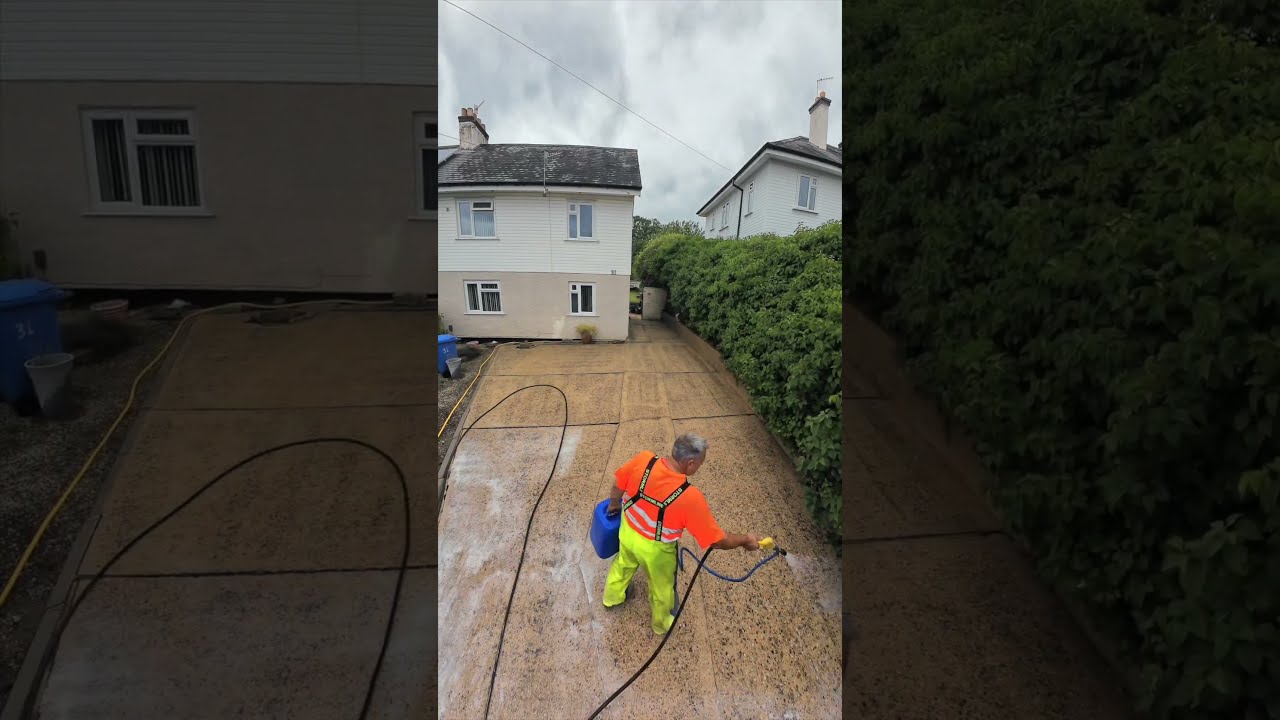
- Clean the surrounding slab: Pressure clean the concrete or paving under and around bins, where spills and leaks soak in.
- Keep lids closed: Closed lids reduce odours, deter birds and stop rain from filling bins with water.
- Separate waste streams: Use separate, clearly labelled bins for general waste, recycling, glass and used cooking oil. Where available, food organics collection can reduce general waste volumes.
- Store cooking oil securely: Use sealed, bunded containers to prevent spills and theft, and arrange regular collection with a licensed provider.
- Provide a nearby wash-down point: A designated, sewer-connected bay allows safe cleaning without sending wastewater to the stormwater drain.
Bin Enclosure Design Tips
https://paxtoniuxq618.fairmontdigest.com/posts/a-landlord-x27-s-guide-to-exterior-cleaning-between-tenantsA well-designed enclosure is far easier to keep clean. Features that help include a smooth, sealed concrete floor graded toward a drain connected to the sewer, solid walls that can be hosed down, good ventilation, shade to limit heat build-up and adequate lighting for safe night-time use. Keeping the enclosure screened from public view also improves overall presentation.
DIY Cleaning or Professional Service?
Many restaurants handle daily sweeping, spill clean-up and basic hosing in-house. However, deep cleaning of grease-affected areas is often better left to professionals for several reasons:
- Commercial hot water pressure cleaners are more effective than standard domestic units.
- Professionals can contain and recover wastewater to protect the stormwater system.
- Work can be scheduled outside trading hours to avoid disrupting customers.
- Incorrect pressure or harsh chemicals can damage pavers, render, paint and timber.
- Trained operators work safely around slippery surfaces, electrical fittings and public areas.
What to Ask a Cleaning Provider
- Do you use hot water systems for grease removal?
- How do you capture and dispose of wastewater?
- Are you insured, including public liability cover?
- Can you work early in the morning or after closing?
- Do you offer regular maintenance schedules and written quotes?
- What products do you use, and are they biodegradable and suitable for food-service environments?
Building a Simple Exterior Cleaning Plan
A documented routine keeps standards consistent, even when staff change. Start by walking the exterior of the premises and listing every area that needs attention, from the front entry to the rear lane. Assign daily tasks to staff, set a calendar for weekly and quarterly jobs and book professional cleans in advance, especially before busy periods such as summer holidays, school breaks and local events when Ballina sees increased visitor numbers. Keeping simple records of cleaning dates also helps demonstrate due diligence if a council officer or insurer asks about maintenance practices.
Final Thoughts
Restaurant exterior cleaning in Ballina is about more than appearance. Managing grease properly protects waterways and surfaces, well-maintained paths reduce slip risks, and clean bin areas limit odours and pests. By combining regular in-house routines with periodic professional hot water cleaning and responsible wastewater management, restaurant owners can present a welcoming, hygienic exterior that supports customer confidence and long-term business success in 2026 and beyond.

Ballina Pressure Cleaning
0440 133 837